Source Mobile Phone Repair Fixture with Heat Gun for Shrink, Welding, and Drying
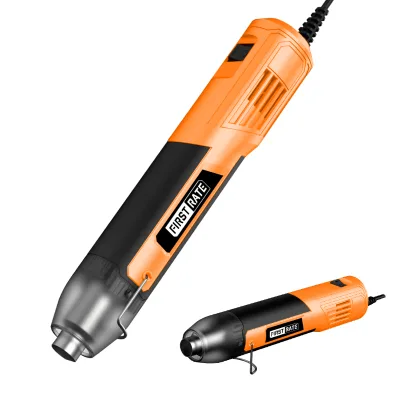
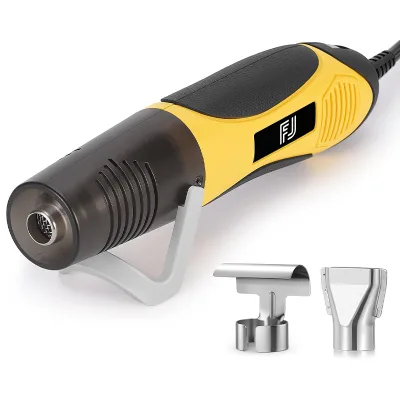
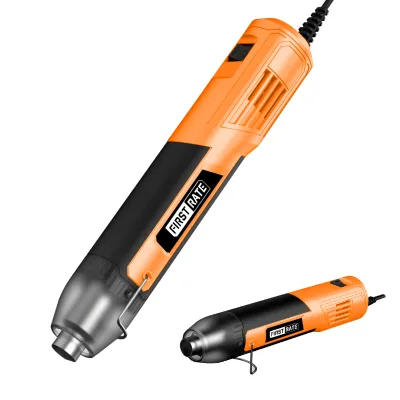
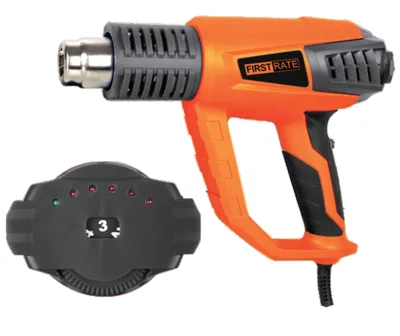
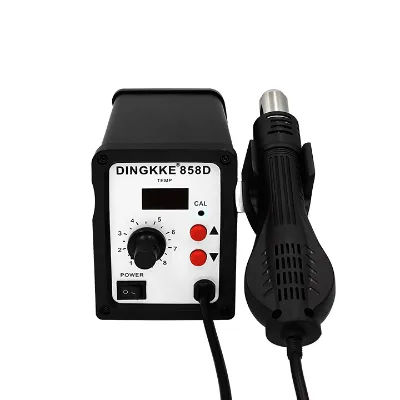
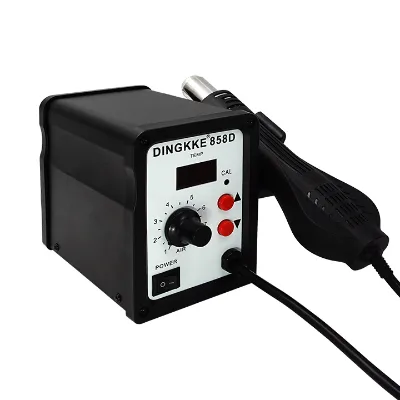
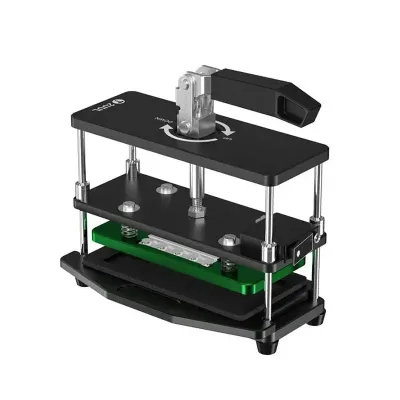
Compare 30 mobile phone repair fixture with heat gun options featuring adjustable temperatures, digital displays, and portable designs. Buyers can evaluate specifications like air flow, voltage, and power source to find suitable tools for plastic welding, heat shrink tubing, and component drying.
Key considerations
Products List





Comprehensive Sourcing Guide
Strategic Sourcing Guide for Mobile Phone Repair Fixtures with Integrated Heat Gun Solutions
The mobile phone repair industry relies heavily on precision tools that can manage thermal stress without damaging sensitive components. When sourcing a mobile phone repair fixture with an integrated heat gun, buyers must navigate a complex landscape of technical specifications, regulatory compliance, and supplier capabilities. The core requirement is a device that offers adjustable temperature control, precise airflow management, and ergonomic design suitable for delicate tasks like screen removal, adhesive softening, and heat shrink tubing application. This guide provides a disciplined approach to evaluating these products based on verified market data and essential procurement principles.
Technical Specifications and Thermal Performance
The primary differentiator among heat gun solutions for mobile repair is the ability to modulate heat output. In the observed market data, specific models demonstrate distinct thermal capabilities. For instance, certain units offer a dual-stage temperature setting, with Stage I reaching 200°C (392°F) and Stage II extending to 350°C (662°F). Other variants in the same category provide a broader range, citing temperatures up to 400°C (752°F) in high-power modes. For mobile phone repair, the lower end of this spectrum is often more critical to prevent warping plastic frames or damaging internal circuitry.
Airflow is equally significant. Effective repair fixtures must deliver consistent air volume to ensure even heating. Data indicates that some models provide an air flow rate of 150 to 200 liters per minute, while others offer higher outputs of 180 to 250 liters per minute. The choice between these ranges depends on the specific repair task; lower airflow is generally preferred for precision work on small components, whereas higher airflow may be necessary for removing large adhesive strips or shrinking heat-shrink tubing on larger assemblies.
Power consumption and voltage compatibility are also vital technical constraints. Most corded units operate on a standard input power of 350W, which balances performance with energy efficiency. Voltage requirements typically align with regional standards, such as 230V for European markets or 110V for North America, though some models support 18V for cordless operation. The presence of a digital temperature display is a highly desirable feature, allowing technicians to set and monitor exact temperatures rather than relying on subjective feel or fixed settings.
Compliance, Certification, and Safety Standards
When procuring industrial or semi-industrial tools, verifying compliance with international safety and environmental standards is non-negotiable. The market data reveals that reputable manufacturers often obtain certifications such as CE, GS, EMC, RoHS, and ISO. These certifications indicate that the product has undergone testing for electrical safety, electromagnetic compatibility, and restriction of hazardous substances.
For buyers targeting the European market, the CE mark is essential, often accompanied by GS (Geprüfte Sicherheit) for additional safety assurance. The EMC certification ensures the device does not emit excessive electromagnetic interference that could disrupt nearby electronic equipment, a crucial factor in a repair shop environment filled with sensitive diagnostic tools. RoHS compliance confirms that the product is free from specific hazardous materials, aligning with global environmental regulations.
Buyers must verify that the supplier provides valid certification documentation rather than relying on marketing claims. The presence of a "DIY" grade classification in some listings suggests that certain models may be intended for hobbyist use rather than professional industrial environments. Professional procurement should prioritize units explicitly rated for commercial or industrial application, ensuring they meet higher durability and safety thresholds.
Cost Drivers and Procurement Economics
Understanding the cost structure of heat gun fixtures helps buyers negotiate effectively and budget accurately. The observed price range in the market spans from $4 to $155 USD, a significant variance driven by several factors. The most substantial cost drivers include the complexity of the temperature control system, the quality of the heating element, and the inclusion of digital displays versus analog dials.
Models featuring advanced features like digital temperature displays, adjustable airflow rates, and multiple color options often command prices at the higher end of the spectrum. Conversely, basic corded units with fixed temperature settings or simple push-button switches are available at lower price points. The packaging also influences cost; units shipped in color boxes with custom branding may incur higher per-unit costs compared to those in standard bulk packaging.
Minimum Order Quantity (MOQ) is another critical economic factor. Market data shows an MOQ range from 1 to 1000 units, with a specific high-confidence observation of 500 pieces for certain models. Buyers seeking small batches for initial testing or niche applications must identify suppliers with flexible MOQ policies, while those planning large-scale distribution should leverage the economies of scale offered by higher volume orders. The unit price typically decreases as the order volume increases, making it essential to calculate the total cost of ownership rather than just the per-unit sticker price.
Typical Applications and Functional Versatility
The utility of a mobile phone repair heat gun extends beyond simple heating. The observed product attributes highlight a wide array of applications, including cell phone repair, ceramic and wood working, leather treatment, and plastic welding. For mobile phone technicians, the primary function is the removal of adhesive tapes and screens, as well as the shrinking of protective tubing on cables.
The "Hot Air Adjustable Temperature" feature is specifically noted as a key function for these applications. The ability to switch between temperature stages allows technicians to adapt to different materials; for example, a lower temperature setting is required for plastic components, while higher temperatures are needed for metal frames or stubborn adhesives. Some models also offer a "Cool Air" feature, which is useful for cooling down components after heating or for cleaning debris from the repair area.
Ergonomics play a role in application efficiency. Descriptions such as "Portable Handheld" and "Corded Heat Guns" indicate that these tools are designed for mobility and ease of use in a workshop setting. The inclusion of various color options, ranging from standard blue and black to customizable OEM colors, allows repair shops to brand their tools or differentiate them for specific technicians. The cable length, observed at 1.5 meters in some models, provides sufficient reach for most workbench setups without requiring extension cords.
Supplier Evaluation and Manufacturing Capabilities
Selecting the right supplier requires a deep dive into their manufacturing capabilities and support services. The data indicates that many suppliers offer OEM (Original Equipment Manufacturer) support, allowing buyers to customize product colors, branding, and packaging. This is particularly valuable for companies looking to create a proprietary line of repair tools.
The place of origin is a key indicator of manufacturing standards. The provided data points to Jiangsu, China, as a primary production hub for these devices. This region is known for its electronics manufacturing ecosystem, which can offer competitive pricing and rapid production times. However, buyers must verify the specific factory's quality control processes and track record.
When evaluating suppliers, buyers should look for evidence of consistent quality control. The presence of certifications like ISO suggests a commitment to standardized manufacturing processes. Additionally, the warranty terms, often listed as one year, provide a baseline for after-sales support. Buyers should inquire about the supplier's policy on defective units, replacement lead times, and technical support availability. The ability to customize the charger plug (EU/US/BS/AS) is also a significant factor for global suppliers, ensuring that the product can be deployed in various international markets without modification.
Quality Control and Long-Term Procurement Considerations
Ensuring long-term reliability requires a robust quality control strategy. Buyers should verify that the product specifications, such as the single gross weight (observed at 2.0 kg) and single package size (ranging from 25x6.5x8.5 cm to 34x30x36 cm), align with their logistics and storage requirements. Inconsistent packaging dimensions can lead to increased shipping costs and storage inefficiencies.
Performance consistency is paramount. While some listings mention specific air temperature ranges (200-350°C), buyers must ensure that the actual output remains stable over time. Thermal drift can occur in lower-quality units, leading to inconsistent repair results. To mitigate this, buyers should request sample units for testing before committing to large orders. Testing should focus on temperature accuracy, airflow consistency, and the durability of the heating element under continuous use.
Long-term procurement considerations also include the availability of spare parts and consumables. A heat gun with a replaceable nozzle or heating element offers better value over time compared to a unit that must be replaced entirely upon failure. The "Selling Units" classification as a "Single item" suggests that these are sold individually, which simplifies inventory management but requires careful tracking of stock levels.
Finally, buyers should consider the total lifecycle cost. A slightly more expensive unit with a digital display and robust build quality may offer better value than a cheaper model that requires frequent replacement. The warranty period, typically one year, serves as a benchmark for expected product lifespan. Suppliers who stand behind their products with clear warranty terms and responsive support are generally safer partners for long-term business relationships. By focusing on these technical, economic, and operational factors, buyers can secure reliable heat gun solutions that enhance their mobile phone repair capabilities.
FAQs
What temperature ranges do mobile phone repair heat guns offer?
These devices typically provide dual-stage settings ranging from 200°C to 350°C or up to 400°C for high-power modes. Some models feature adjustable digital displays for precise control, while others offer fixed outputs suitable for specific adhesive removal tasks.
Which certifications ensure safety for mobile phone repair tools?
Reputable units often carry CE, GS, EMC, RoHS, and ISO certifications to verify electrical safety and environmental compliance. These marks confirm the device meets international standards for electromagnetic compatibility and restriction of hazardous substances in repair shop environments.
Can I find heat guns with adjustable airflow for precision work?
Yes, many models offer adjustable airflow rates between 150 to 250 liters per minute to suit different repair needs. Lower airflow is preferred for delicate components, while higher outputs assist in shrinking tubing or removing large adhesive strips effectively.
What is the typical minimum order quantity for these heat guns?
Market data indicates an MOQ range from 1 to 1000 units, with specific models requiring 500 pieces. Buyers seeking small batches should verify flexible policies, while large orders benefit from economies of scale offered by higher volume suppliers.
How does voltage compatibility affect mobile phone repair fixture selection?
Most corded units operate on standard voltages like 230V or 110V, while cordless variants may use 18V batteries. Selecting the correct voltage ensures compatibility with regional power standards and prevents equipment damage during operation in different markets.
Are OEM customization options available for mobile phone repair heat guns?
Yes, suppliers frequently offer OEM support for customizing colors, branding, and packaging to meet specific business needs. This allows repair shops to create proprietary tool lines with tailored features like specific cable lengths or unique color schemes.
What warranty terms are standard for these repair tools?
Standard warranty periods typically cover one year against manufacturing defects, providing a baseline for after-sales support. Buyers should verify specific policies on defective units and replacement lead times to ensure reliable long-term procurement for their repair operations.